“Entrepreneurs aren’t born; they’re made:” Henry Nasella discusses the importance of mentorship and necessary skills for entrepreneurs
Written by Madison Neuner
Henry Nasella, ‘77, has had an impressive career in entrepreneurship. In 1988, he became the first president of Staples, seeing it grow from $8 million to over $1 billion in revenue. Then, he was the CEO of Star Markets. Today, he is co-founder and a partner at LNK Partners, a private equity firm that invests in the consumer and retail sectors, and a former member of the Board of Trustees at Northeastern and Chair Emeritus.
His success didn’t come by chance. Nasella was exposed to great mentors throughout his life. “My father was a great mentor for me,” he said. In college at Northeastern, the co-op process was also a valuable experience for him. “Throughout my career I had many mentors that were people I could speak to.”
Nasella emphasized that a boss or authority figure may not always be the best mentor. “Sometimes it’s somebody who has different experiences than you or somebody that you’re comfortable with, because I think being a good mentor is about listening. It’s not about telling people what to do.”
A mentor, in Nasella’s opinion, should “be a good sounding board.” His own mentors, he said, were there to listen and help him work through problems, reassure him and instill confidence in him. “I had many mentors along my career path that were willing to give me the time and were positive influencers, helping me as I faced adversity.”
Some relationships with mentors begin naturally, but others have to be sought out. The co-op program, Nasella said, is an advantage that allows Northeastern students to seek out those relationships–but there are other ways, too. How to find a mentor outside of co-op? “Never eat breakfast, lunch, or dinner alone,” he said. Even 15 minutes speaking with someone over coffee can create a mentor-mentee relationship that can last years. “They’re going to remember who you are.”
Because he’s had experience as both mentor and mentee, the importance of having a mentor is not lost on Nasella. “Anyone who thinks they can get there on their own is kidding themselves. I think we all need it.”
But mentors can’t take entrepreneurs all the way. There are several traits an aspiring entrepreneur must master to be successful.
Taking risks, Nasella said, is an integral part of being an entrepreneur. So, he said, is failure. “If it doesn’t work, it isn’t going to crush you,” he said. “You look at it and say, ‘What did I learn from it?’ I’ve seen people that make mistakes and take risks and don’t learn anything out of it; that’s wasted energy.”
As difficult as it can seem at times, successful entrepreneurs are used to failing; not even Nasella got all of his ideas to work. “One of the keys in this journey of being an entrepreneur and being successful is a willingness to fail and learn. And it’s both, fail and learn.”
Because businesses are usually comprised of “more than one” person, Nasella said, traits like humility, empathy (“not sympathy, but empathy”), knowing how to motivate and connect with people, knowing how to be transparent and frank, and knowing how to “coach” are necessary for a business to grow and thrive.
Leadership skills are also beneficial, but, Nasella said, aren’t as necessary as some might think. Being a good leader can mean pulling someone on board who has good leadership skills. “Understanding what you’re good at, what you’re not good at, what the business venture needs, and how you’re going to get there to me is leadership–whether you have it or whether you’re smart enough to realize you need to bring someone else in who does have these skills.”
Nasella was that person for Staples. He was brought in by Staples founder Tom Stemberg because Stemberg realized he needed a true leader for his venture to become successful and sustainable and saw that leader in Nasella. “He was smart enough to realize, in order to build the kind of company he needed and wanted to build, he needed somebody like me that had different skills than him,” Nasella said.
Nasella was exposed to many positive mentors that guided him and helped him to grow as an entrepreneur and leader, which brought him the success he has gained throughout his career. As he continues to impart his lessons on others, Nasella represents the epitome of a true role model and someone whom many aim to emulate in the business world.
Utilize the Women Who Empower community to find mentors that will help you thrive and succeed. Join our community on LinkedIn, follow us on Instagram, and/or join our mentorship program today!
Interested in becoming a mentor for the next round of our mentorship program? Go to our page on NUsource to join the program.
If you’re interested in WISE or Women Who Empower, reach out to the WeSupport email at mentorship.wise.neu@outlook.com and/or Rachel Schrottman at r.schrottman@northeastern.edu.
Recent Stories
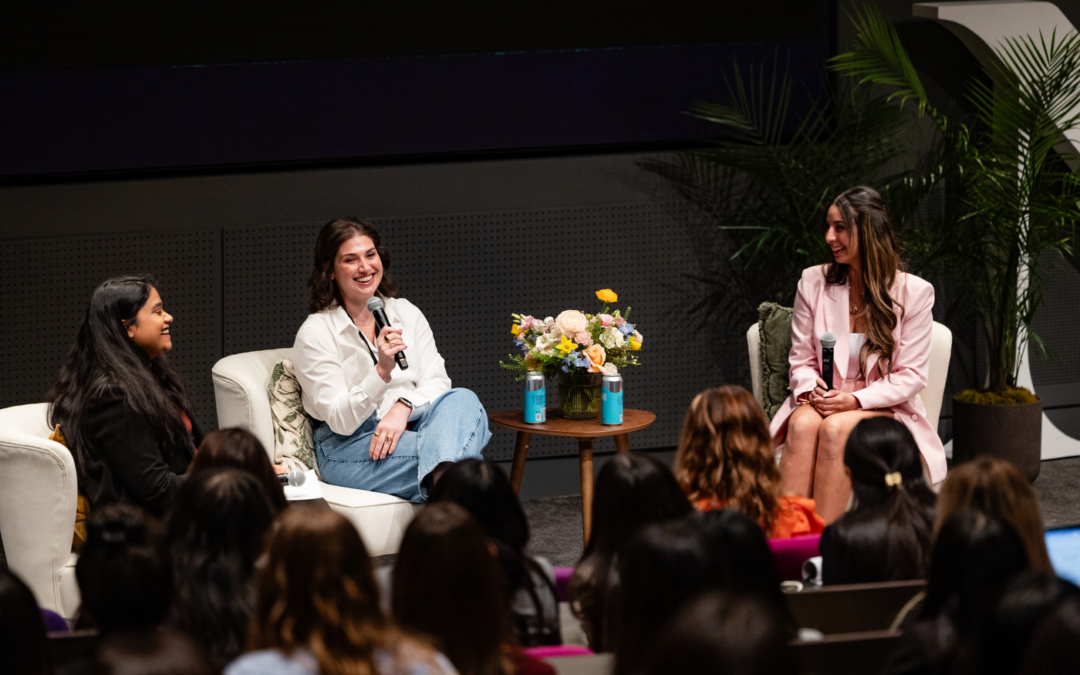
WISE summit inspires female entrepreneurs to rise above challenges
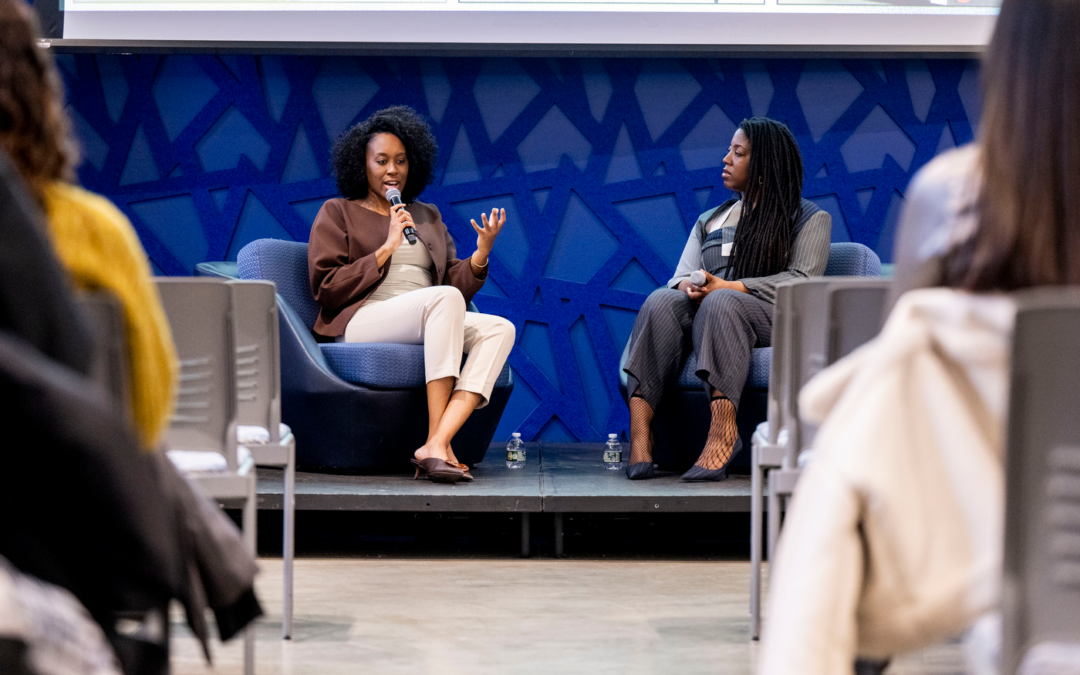
Innovator Award recipients are filling health care and marketing gaps

How WISE helps students build confidence and startups
Leading Scientific Innovation: A Conversation with Kimberly Budil, PhD, Lawrence Livermore Lab